
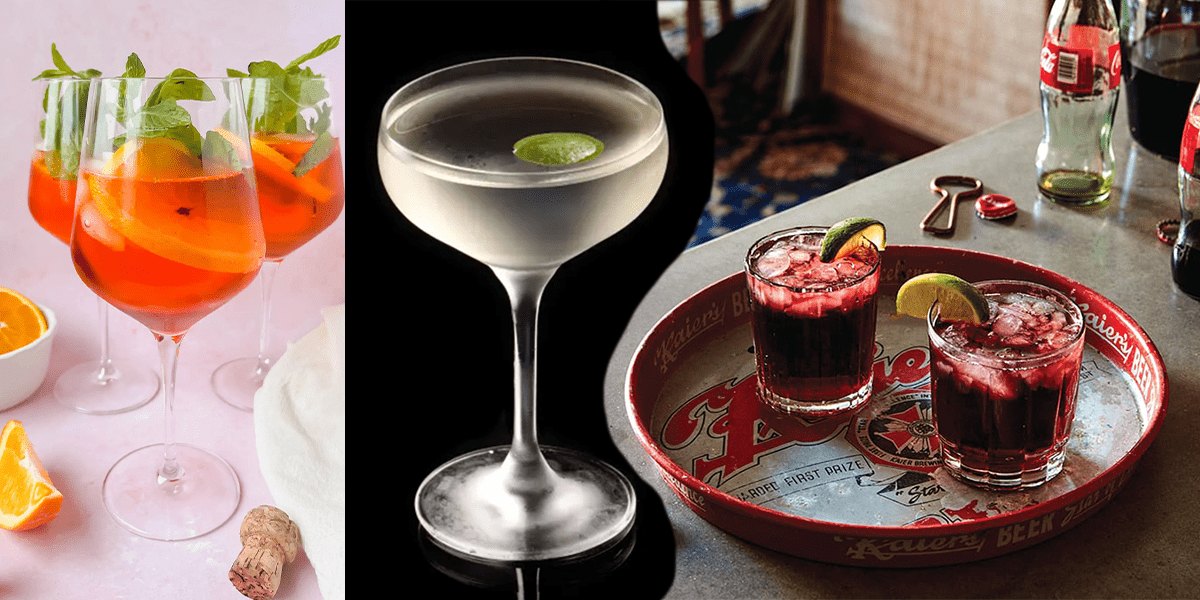
Wine Cocktails We Love
Nine times out of ten, we pair a great wine with a great meal. But that tenth time, we pair it with a cocktail.
Read More


Nine times out of ten, we pair a great wine with a great meal. But that tenth time, we pair it with a cocktail.
Read More
At Donelan, all of our wines are made for longevity. A bottle of wine is a living, breathing thing that continues to evolve. And
Read More
Women have played a vital role in shaping America’s wine industry for decades—whether through winemaking, writing, cooking, or simply enjoying and championing great wine.
Read MoreTasting Notes
A spicy bouquet of “Red Hot” cinnamon candies intertwines with sour cherry and Asian plum paste. A fresh, complex perfume of pine needles, orange peel, and a touch of Amaro.
Recommendation: Drink
January 2026 – Classic red fruit typicity with bright, sprightly acidity. Drink now with a brief decant. Enjoy by 2035.
Tasting Notes
Notes of bergamot, kola nuts, dusty soil, and cherries on the nose. Fresh, big, chewy tannin is enveloped in cinnamon stick, chaparral, bay leaf, and red cherry. Bright pomegranate juice and crushed strawberries create a red-fruited core.
Recommendation: Drink or Hold
January 2026 – Medium-bodied with mouth-watering acidity on the palate. Beautiful. Hold another year or drink now with an hour decant. Drink by 2035.
Tasting Notes
Wet river stone and black boysenberry preserves, Maraschino cherry, aromatic spiced baked goods, and earthy tree bark.
Recommendation: Drink or Hold
January 2026 – Super fresh palate with fine-grained tannin. Drink now with a brief decant. Enjoy by 2035.
Tasting Notes
Blackberries, dark Bing cherry, and graphite build a dense, ripe core, but there is a graceful and beautiful lift on the nose.
Recommendation: Drink/Hold
January 2026 – Stacked with tannin with a velvety mouthfeel. Hold for another 1-2 years, or drink now with a 2-hour decant. Drink by 2040.
Tasting Notes
Shishito pepper, smoked meats, juicy Santa Rosa plum, and dusty leather aromas. Lingering hints of fresh green tobacco and bright orange zest.
Recommendation: Hold
January 2026 – Savory but refined with compact but soft tannins. Hold for another year, then enjoy with a 1-2 hour decant. Enjoy by 2040.
Tasting Notes
Loaded with notes of black olive, black pepper, coffee box, and fresh pine needles. Italian salami, Mexican mole chocolate, and sagebrush unfold on the palate.
Recommendation: Hold
January 2026 – Bold with great, composed sweetness. A showstopper, but still very young. Hold it for 3 more years. Drink by 2040.
Tasting Notes
Gunpowder, pine forest, black plum, and beef au jus on the nose. Wood smoke, polished leather, and peppered salami slowly unfold.
Recommendation: Hold
January 2026 – Supple tannins with a lengthy finish. This is a heady, insanely alluring Syrah. Hold for another 2 years. Drink by 2035.
Tasting Notes
Blueberry and black plum, creosote, white pepper, and black olive on the nose. Chalky red fruits on the palate with blood orange, cocoa powder, tobacco, iron, and zingy acidity.
Recommendation: Hold
January 2026 – Silky and seductive. Hold for another 2-3 years if you can, or enjoy now over several nights. Drink by 2037.
Tasting Notes
White nougat, honeycomb, and marmalade jump from the glass. Mineral notes of loam, rocky earth, and wet slate on the palate. Everything is elevated by a floral breeze of
honeysuckle and jasmine.
Recommendation: Drink/Hold
January 2026 – Intoxicating aromas. Drink now with a 1-hour decant or cellar.
Tasting Notes
Fragrant citrus blossom and jasmine, yellow peach and apricot skins. The palate has a creaminess that’s smooth but not too rich. A streak of grapefruit makes this wine’s acidity pop.
Recommendation: Drink/Hold
January 2026 – Beautiful complexity and texture. Drink or cellar for the next 7 years.
Tasting Notes
Juicy Granny Smith and red apple skins, and brioche on the nose. Almond, beeswax, and dried flowers are balanced by mint, crushed rock, and lemon confit.
Recommendation: Drink/Hold
January 2026 – Generous acidity. Loads of energy and complexity on the palate. Drink now through 2033.
Tasting Notes
Apples, pineapple, quince, ginger spice, and beautiful white flower aromas. Judicious acidity, orange marmalade, sea salt, and subtly sweet tangerine.
Recommendation: Drink/Hold
January 2026 – Fresh and aromatic with great length. Decant for 1-2 hours if drinking now or hold for another year.
Tasting Notes
Aromas of lifted blue fruit, cherry compote, and baker’s chocolate are woven with a sweet herbal perfume. Crushed stone and cherry cordial notes on a super fresh palate.
Recommendation: Hold
September 2025 – Very vibrant, brooding, and structure. A delicious wine. Double decant for 4-5 hours before drinking now, or cellar for another 2-3 years. Enjoy by 2045.
Tasting Notes
Black and blue fruit, cassis, graphite, and cacao on the nose. The palate is silky and layered with cardamom and warm holiday spices.
Recommendation: Hold
September 2025 – Supple tannin with wonderful balance between fruit and subtle sweet oak. Double decant for 4-5 hours before drinking now, or cellar for another 2-3 years. Enjoy by 2045.
Tasting Notes
Juicy fruit-punch, blue and red fruit, and dried sweet herbs on the nose. The palate builds with blackberry pie filling, baker’s chocolate, and freshly ground coffee.
Recommendation: Hold
September 2025 – Great balanced acidity on the palate with an earthy, loamy essence. Double decant for 4-5 hours before drinking now, or cellar for another 2-3 years. Enjoy by 2045.
Tasting Notes
Delicate red fruit lifted by blood orange. Classic plum, olive tapenade, sweet gunsmoke, flint, and firm structure define the palate, supported by savory bacon fat, mesquite, and crushed granite. Lively, well-defined tannin.
Recommendation: Hold
September 2025 – Powerful, lifted, and strikingly pretty. This is a superb comeback for our estate Syrah. It’s just a baby and needs time to settle, so cellar it for another 3-4 years. Enjoy by 2045.
Tasting Notes
Fantastic, ripe tannins and a weightless, balanced feel all the way through. Savory and mouthwatering. Wild minty herbs, pine, blackberry, cumin, grapefruit zest, and black olives.
Recommendation: Hold
September 2025 – Intense but elegant. Lots of complex flavors in this wine. Very young, so hold for another 2 years. Drink by 2035.
Tasting Notes
Fresh with wild strawberries, wild mint, brambly herbs, and crushed stones. Nuanced by white pepper, sandalwood, and cedar spices. Fine, structured, grippy tannins.
Recommendation: Hold
September 2025 – A stunning vintage of Moriah, but still quite young. Hold for another year, then enjoy with a 1-2 hour decant. Enjoy by 2040.
Tasting Notes
Aromas of cracked pink peppercorn, fresh black plum, pancetta, and red-fruited highlights. White pepper, cedar wood, and superfine tannins.
Recommendation: Hold
September 2025 – Fantastic elegance. Hold this wine for another 1-2 years. Drink by 2035.
Tasting Notes
Deep, rich aromatics of pancetta, ripe red plum, olive tapenade, and purple flowers. White pepper and grilled herbs on the palate.
Recommendation: Hold
September 2025 – Gorgeously high-toned on the nose with super fine-grained tannin. Wonderful, but still very young. Hold it for 3 more years. Drink by 2040.
Tasting Notes
Lush notes of eucalyptus, plum liqueur, blackberries, wild herbs, and espresso. Broader-shouldered and savory with dark chocolate on the finish.
Recommendation: Hold
June 2025 – An incredible new vintage of Judge, but very young and tight right now. Hold for 2 more years and drink through 2040.
Tasting Notes
Pure and deep with notes of black raspberry liqueur, hints of blue fruit, cassis, turned earth, and tea leaf. Full-bodied, with ripe tannins and zesty acidity.
Recommendation: Hold
June 2025 – This wine is wonderfully bold and savory, but very young. Hold it for another 3 years. Drink by 2037.
Tasting Notes
Luxurious aromas of cigar box, ripe plum, black pepper, olive, and polished leather. Floods the senses with ample structure, velvety tannins, and refreshing acidity.
Recommendation: Hold
June 2025 – Full-bodied and lavish with a tremendous finish. Drink this Syrah with an extra-long decant, or hold it another 2-3 years. Drink by 2040.
Tasting Notes
Pretty and perfumed cinnamon, Rainier cherry, Luxardo cherry, wet stone, and fresh pine. The palate is refreshing, with well-defined structure, spice, and a balanced, ripe feel.
Recommendation: Drink/Hold
June 2025 – This vintage of the Two Brothers is a beautiful, juicy cherry-bomb. Drink now with a brief decant. Enjoy by 2035.
Tasting Notes
Rich in baking spice, forest floor, and brooding dark cherry, with a big twist of pine.
Recommendation: Drink or Hold
June 2025 – Super ripe with great freshness. Hold it for another year or drink now with an hour decant. Drink by 2035.
Tasting Notes
Notes of ripe raspberries, wildflowers, wild herbs, pine, and dried earth. Sinewy tannins that melt beautifully alongside juicy acidity.
Recommendation: Drink or Hold
May 2025 – Seductive and nuanced. Enjoy now with a long decant or cellar. Drink by 2035.
Tasting Notes
Kirsch, red cherry liqueur, crushed roses, graphite, and fresh earth. Blood orange acidity and cocoa powder nuances.
Recommendation: Drink/Hold
May 2025 – Super supple, round, and energetic. Hold it for another 1-2 years, or drink now with a 2-hour decant. Drink by 2040.
Tasting Notes
Pure citrus oils, lime, fresh flowers, and bright herbs on the nose. Fantastic energy, refreshing acidity, and a clean, rich, full-bodied feel.
Recommendation: Drink/Hold
August 2025 – Super precise and refreshing. Decant for 1-2 hours if drinking now or hold for another year.
Tasting Notes
Peach and apricot meld with sea spray, bright herbs, white truffle, and subtly sweet baking spices. Focused acidity, minerality, and rich orange notes complement a silky mouthfeel.
Recommendation: Drink/Hold
September 2025 – This is a great vintage of Venus. Drink now with a 1-hour decant or cellar for the next 8 years.
Tasting Notes
Old World flavors of toasted almonds, hazelnut, pears, yellow peaches, and aromatic white flowers.
Recommendation: Drink/Hold
September 2025 – Juicy with lots of tension on the palate. Nice flinty, matchstick reduction. Double-decant right before serving. Drink by 2035.
Tasting Notes
Fresh lemon and lime zest on the nose with white citrus flower blossoms. There’s a lovely sea spray quality that complements ripe apricot and peach notes on the palate. Racy acidity and lovely chalkiness.
Recommendation: Drink/Hold
June 2025 – Elegant but packed with flavor and acidity. Drink or cellar for the next 6 years.
Tasting Notes
Delicious buttered and grilled Bosc pear on the nose. There is a medley of white mint, stone fruit, kumquat, jasmine, and quince. Juicy acidity on the palate with a classic Chardonnay finish of warm baking spices.
Recommendation: Drink/Hold
June 2025 – This vintage will age beautifully. Drink now through 2035.
Tasting Notes
Sage, chaparral, blue and black fruit, cocoa powder, granite, medium fine-grained tannin structure, and a long finish.
Recommendation: Hold
January 2025 – Saturated, fresh, and opulent. If drinking now, double decant or drink over several nights. Enjoy by 2040.
Tasting Notes
Grilled green pineapple, wet stone, slate, apricot, tangerine oil, subtle spice, and oakiness.
Recommendation: Drink/Hold
February 2025 – Medium-bodied and racy. Decant for up to 1 hour. Drink by 2035.
Tasting Notes
Blackberry, cracked pepper, fresh violets, and a touch of apricot. Notes of pancetta, savory herbs, mocha, and new leather unfold.
Recommendation: Drink or Hold
January 2026 – Unctuous, heady, and plush tannin. Enjoy now with a brief decant. Drink by 2036.
Tasting Notes
Crushed black cherry, olive, and sage aromas. It continues to open with lavender, smoked meat, and savory herbs that coat the palate.
Recommendation: Drink or Hold
January 2024 – Full-bodied, with layered richness and ripe broad shoulders. Decant for 1 hour if drinking now, or hold for 1-3 years. Drink by 2035.
Tasting Notes
Freshly roasted coffee and pink peppercorn on the nose, with hints of jasmine and plumeria. Whole cluster spice and white pepper meet on the palate with savory black olive, cast iron, and smoked oolong tea.
Recommendation: Drink
June 2025 – High-toned and polished with judicious acidity and wonderful balance. Drink now through 2033.
Tasting Notes
Red and black fruits, blood orange, tobacco, ground pepper, forest floor, and subtle bacon fat.
Recommendation: Drink
June 2025 – Meaty, gamey, suave, and polished. Drink now through 2032.
Tasting Notes
Plum and currant on the nose with layers of apricot, black raspberry, white pepper, and salami. Vibrant, opulent, and sexy.
Recommendation: Drink
January 2024 – Great finesse, texture, and natural acidity. Drink now or cellar for a few years. Drink by 2034.
Tasting Notes
Black cherry, iron filings, olive brine, meat, smoke, tar, savory, copper penny, with a floral uplift.
Recommendation: Drink
January 2024 – Brooding, fine-grained, and fresh on the palate. Drink now or save for another 1-2 years. Drink by 2030.
Tasting Notes
Cigar ash, savory spice, lardon, olive brine, iron filings, and dried herb. Sour cherry and chocolate on the palate.
Recommendation: Drink
January 2024 – Great aromatics. Bright, fresh, and lively. Drink now through 2029.
Tasting Notes
A big heady bouquet of fresh earth, black olives, tar, asphalt, black cherry, creosote, and fresh cracked ground pepper. Bittersweet chocolate in the mouth.
Recommendation: Drink
January 2024 – Complex and very elegant. Drink now through 2028.
Tasting Notes
Super dark blueberries, petrichor, minerality, and high-toned white flower on the nose. Chalky tannin and roasted meat on the palate.
Recommendation: Drink
January 2024 – Deep, dark, and supple. Drink now through 2027.
Tasting Notes
A bouquet of mesquite, muddled raspberries, and dusty dry straw with red cherry and gamey Rhône flavors like whisky pepper steak on the palate.
Recommendation: Drink
January 2024 – Lithe, graceful, super-heady, with moderate tannin. Drink now through 2027.
Tasting Notes
Blood sausage, iron, dried herbs, rhubarb, and beetroot aromas. Flavors of cedar, red berry, and bacon fat with super fine-grained tannin.
Recommendation: Drink
January 2024 – Fresh, dense, and classy. Drink now through 2027.
Tasting Notes
Black truffle, beef teriyaki, poisson sauce, savory herbs, and violets on the nose. On the palate, sour cherry, black olive, and quince paste.
Recommendation: Drink
January 2024 – Juicy with super savory aromatics. Drink now through 2028.
Tasting Notes
There is so much beautiful, juicy fruit here. Hi-C punch and white jasmine blossoms fill the glass. It’s lovely and lively with a nice interplay between freshness, fruit saturation, and brooding depth.
Recommendation: Drink or Hold
March 2024 – This vintage is lifted and delicate but also powerful. Hold for another year, or decant for 1-2 hours if drinking now. Enjoy by 2040.
Tasting Notes
Lovely and striking red fruit. Noble reduction gives the essence of struck matchstick and flintiness. This wine is very aromatically complex with a sweet and savory interplay.
Recommendation: Drink
March 2024 – Fine-grained tannin on the palate with a 45+ second finish. What a serious, complex wine. Drink now through 2032.
Tasting Notes
Red currant, brown sugar, and cardamom are the first notes to greet you. Petrichor, rooibos tea, rhubarb, hibiscus tea, and cherry cordial appear on the palate.
Recommendation: Drink
March 2024 – Great tension and minerality in the mouth with a very long finish. Drink now with a brief decant or enjoy by 2030.
Tasting Notes
Sweet herbs and bright red fruit. A kick of white pepper is followed by very supple tannin with brambly and floral fruit.
Recommendation: Drink
March 2024 – This vintage is expressive and pretty on the nose, and round and rich on the palate. Drink now with a brief decant or enjoy by 2029.
Tasting Notes
Palo-santo, sage leaf, and red currant peek out of the glass. Juicy red fruit and currants join on the palate with crunchy tannin and a very long finish.
Recommendation: Drink
March 2024 – This wine has a lovely interplay between fruit, tannin, and acid. Drink now through 2035.
Tasting Notes
On the nose and palate: saltpeter, candied red apple skins, sous bois, forest floor, iodine, and caramelized brown sugar.
Recommendation: Drink
March 2024 – A brooding wine that’s slow to open up, but once it does, unique flavors come rolling out. Give it generous swirling in the glass. Drink now through 2035.
Tasting Notes
A bouquet of brambly red fruit, Red Vine licorice, and sage herbs de Provence. Energy, verve, and tension are all present on the palate with mouth-coating tannin from start to finish.
Recommendation: Drink
March 2024 – Great freshness. Give it generous swirling in the glass. Drink now through 2034.
Tasting Notes
Damp forest floor and black fruit make for a brooding first impression. Much more of a plum-heavy flavor profile with a bit of foie gras.
Recommendation: Drink
March 2024 – Juicy, very fat, and rich on the palate with velvety tannin structure. Drink now through 2033.
Tasting Notes
Cherry ludens, orange zest, and red plum sauce. Strawberries and crème on the palate. Tannin and acid are in harmony.
Recommendation: Drink
March 2024 – Shy to open up but slowly unfolds. Very fresh and lively in the mouth. Give it generous swirling in the glass. Drink now through 2032.
Tasting Notes
Big red juicy Bing Cherry, orange peel, and cinnamon sticks. The tannin is finer-grained and a bit more resolved. A layer of dark sautéed plum appears on the palate.
Recommendation: Drink
March 2024 – This vintage displays darker-toned fruit than the 08 and 09. Drink now through 2030.
Tasting Notes
High-toned red fruits, sweet herbs, bay leaf, and cherry ludens waft from the glass. Full, palate-coating structure and tannin with a very long finish.
Recommendation: Drink
March 2024 – This is a wine that demands food. It would be killer with bouillabaisse or coq au vin. Drink now through 2030.
Tasting Notes
A bouquet of cherry paste, leather, and dusty library books. There is a great balance of acid and tannin, and firm structure. There are savory elements of au jus and iodine on the palate.
Recommendation: Drink
March 2024 – This wine gets fresher and more youthful with some air. Drink now through 2028.
Tasting Notes
Loamy notes, lavender, kirsch, and pipe tobacco. On the palate, fresh waves of cacao, black olive, sweet browned butter, coriander, red and black fruit.
Recommendation: Drink/Hold
January 2024 – Elegant with great acidity and mouth-coating tannin. Drink with a brief decant or cellar. Enjoy by 2040.
Tasting Notes
Big flavors of Hi-C fruit punch, green coffee, sage, mocha, cedarwood, and cinnamon. Velvety tannin and a rich dark profile. Fine-grained but palate-coating tannin with blood orange and a red, blue, and purple fruit medley.
Recommendation: Hold
March 2024 – This wine is super layered, textured, dark, and brooding. It’s still a baby so hold it for 2 more years. Drink by 2040.
Tasting Notes
Sage, rosemary, and red currant lure you into this elegantly styled wine. Aromas of cigar wrapper, baker’s chocolate, and beef fond.
Recommendation: Drink or Hold
March 2026 – Multi-dimensional and savory. Enjoy now with a 1-2 hour decant, or cellar for years to come. Drink by 2038.
Tasting Notes
Complex, sexy, and savory. Black and blue fruit with reduction, petrichor, coffee box, and black olive. Fresh pine needles and big tannin.
Recommendation: Drink or Hold
March 2026 – This is a great wine with a long life ahead of it. Perfect balance and impressive length. Enjoy now with a brief decant or cellar. Drink by 2040.
Tasting Notes
Red-fruited with sweet herbs and dark baker’s chocolate. It has big mouth-coating tannin but the tannin is fine-grained. Notes of sausage and iron unravel with a bit of time.
Recommendation: Drink or Hold
March 2024 – This is a shy but sexy wine that needs a lot of air. Decant for 1-3 hours if drinking now, or save and enjoy by 2036.
Tasting Notes
Herbal tea and brambly blackberry fruit dominate the nose. Elegant in the mouth, with an essence of struck matchstick, and creaminess on the palate.
Recommendation: Drink or Hold
March 2024 – Full-bodied with terrific depth. Give it a good long decant if drinking now. Try to save a bottle for a few years. Drink by 2037.
Tasting Notes
A high-toned wine with sweet underbrush, sage, and rosemary. There are very rich elements of red and black fruits and fresh ripe raspberries.
Recommendation: Drink
June 2025 – Very rich without being overwhelming. Drink this now with a brief decant, or hold a few years. Enjoy by 2034.
Tasting Notes
Smoked meat, gravel, olive, and blue fruit on the nose. This is a full-bodied wine with great savoriness, minerality, and sweet tannin on the palate.
Recommendation: Drink
June 2025 – Very expressive and powerful on the nose. Drink now with generous air. Enjoy by 2035.
Tasting Notes
Green coffee beans and cigar box on the nose. Layered and complex in the mouth. Bergamot oil and herbal tea notes, with big tannin saturation on the palate.
Recommendation: Drink
March 2024 – A more elegant and restrained vintage. Drink this now with a 30-45 minute decant. Enjoy through 2034.
Tasting Notes
Black and blue fruit, creosote, petrichor, and sagebrush compose the first wave of flavor. Iron, peat moss, and blueberry jam join in. It’s dense and palate coating, with a layer of chocolate-covered coffee candies.
Recommendation: Drink
March 2024 – This wine is very complex. Drink now through 2035.
Tasting Notes
Bold savory notes of olive brine and railroad tie with plum and dark chocolate. It has bright lively acidity on the palate with a linear mouthfeel.
Recommendation: Drink
March 2024 – This wine is a bit shy and delicate but still exhibits a beautiful personality. Give it a good swirling in the glass. Drink now through 2035.
Tasting Notes
Effusive sage, underbrush, rosemary, and the aroma of leg of lamb being cooked over a fire. A big sandalwood top note. Good freshness, angular in the mouth, less body than previous vintages.
Recommendation: Drink
March 2024 – This vintage is very elegantly styled and pretty. Great acid, tannin, and fruit interplay. Drink this now through 2030.
Tasting Notes
A bouquet of mesquite tree bark, olive tapenade, sagebrush, and candied cherry. As it opens up, it evolves into layers of fresh basil leaf, balsam, spice, soy sauce, and blackberry jam.
Recommendation: Drink
March 2024 – Still quite powerful and rich after all these years. Drink now through 2030.
Tasting Notes
Wild savoriness and exotic. Aromas of creosote, tar, and crude oil jump from the glass. The palate is saturated with green olive, bacon fat, and cherry.
Recommendation: Drink
March 2024 – This is a great, intense wine with a 40+ second finish. Drink now through 2029.
Tasting Notes
Porty dark fruit and sweet plum on the nose. Very rich black and blue fruit on the palate. It’s brooding and dark with an essence of orange zest.
Recommendation: Drink
March 2024 – This wine presents fresher on the palate. Beautiful and rich. Drink now through 2028.
Tasting Notes
A dark nose of mulberry, menthol, bitter chocolate, sous bois, and wet fern leaves. A structured palate that’s lifted by notes of dried Bing cherries, blood orange, and fresh-cut white flowers. Rich tannin and full-bodied.
Recommendation: Drink or Hold
March 2026 – Full-bodied with rich tannin. Enjoy now with a 1-2 hour decant, or cellar. Drink by 2037.
Tasting Notes
Coffee and juicy, savory red currant greet you first. A secondary layer of fresh new leather, tobacco, and mocha spice slowly emerges.
Recommendation: Drink or Hold
March 2026 – Savory with big tannin. Enjoy now with a brief decant. Drink by 2032.
Tasting Notes
High-toned pretty pine needles. Smells like the floor of a Douglas Fir forest. Big structure on the palate with red candied apple, blue and black fruit, and bitter-sweet chocolate.
Recommendation: Drink or Hold
March 2024 – Presents very young and fresh. Full-bodied and ripe. What a wine! Decant for 1-2 hours if drinking now, or hold a few years. Drink by 2034.
Tasting Notes
This wine first opens with cedar, pine, iodine, and red fruit. Continued waves of lavender, spiced plum, parmigiano reggiano rind, mocha, and herbs.
Recommendation: Drink
March 2026 – Juicy tannin and nice structure on the palate. Mouth coating. Drink now with a brief decant. Enjoy by 2033.
Tasting Notes
Carbonic with high-toned fruit. Big fennel notes and dry extract. More red-fruited with notes of creosote, smoked game, and spring flowers.
Recommendation: Drink
March 2026 – Enjoy this now with a brief decant. Drink by 2033.
Tasting Notes
Coffee box, licorice, and juicy fruit on the nose. Resolved tannin on the palate with notes of fresh-cut herbs, white pepper, and tapenade jumping into the mix.
Recommendation: Drink
June 2025 – A very pretty wine. Drink now with an hour decant, or enjoy by 2035.
Tasting Notes
Green coffee beans with a showy oak component and black cracked pepper. This wine is much more earthy and less fruit-forward. Mocha and coffee ice cream on the palate.
Recommendation: Drink
March 2024 – Burly, dark, and juicy but still has soft and supple tannin. Drink now through 2033.
Tasting Notes
Herbal and savory. A rich bouquet of creosote and crude oil, boysenberry, olive, and Santa Rosa plums. The tannin pushes to the back of the mouth.
Recommendation: Drink
March 2024 – A supple wine with great balance. Decant or let breathe in the glass for 30 minutes. Drink now through 2034.
Tasting Notes
This is a rich wine with a dark fruit profile and big, round tannin. Sappy black and blue fruit on the nose with aromas of plum sauce and soy sauce. Savory gamey notes on the palate.
Recommendation: Drink
March 2024 – Bold and full-bodied. Give it a 30 to 45-minute decant or generous swirling in the glass. Drink now through 2033.
Tasting Notes
White flower blossoms, violets, and lavender create a pretty floral aroma from this vintage. Orange peel and cardamom add to the nose with fresh red fruit on the palate.
Recommendation: Drink
March 2024 – Beautiful purity with a silky finish. Drink now through 2032.
Tasting Notes
Leather, roasted coffee bean, some fruit peaking through with a more red cherry profile. Soft and supple tannin.
Recommendation: Drink
March 2024 – With air, the wine fleshes out and gains freshness and weight. Give it a 30-minute decant or generous swirling in the glass. Drink now through 2030.
Tasting Notes
So effusive, expressive, and high-toned. White flower and Hi-C punch. Pine needle forest floor and Black Forest cake.
Recommendation: Drink
March 2024 – What a nose. The aromas jump out of the glass. Drink now through 2030.
Tasting Notes
Lifted, pretty, and expressive crushed flowers and sweet blackberry aromas. A beautiful “yin” to the 2008’s “yang”.
Recommendation: Drink
March 2024 – Big tannin, dry extract, very structured. It needs to be enjoyed with a meal. What a wine! Drink this now through 2029.
Tasting Notes
Smoked meat, old leather, and dusty library books lead to dark cherry paste, violets, Asian plum sauce, and Christmas spices.
Recommendation: Drink
March 2024 – The tannins are nicely resolved with a great and full mid-palate. Lovely complex tertiary aromas. Drink this now through 2028.
Tasting Notes
Cherries jubilee, sweet macerated cherries, raspberry candy, cardamom spice, spice box. Black cherry paste and big youthful tannin on the palate.
Recommendation: Drink
June 2025 – Mouth-watering acidity, perky, perfumed, with a refreshing finish. Drink now with a 30-60 minute decant, or cellar it. Enjoy by 2034.
Tasting Notes
Ponzu paste and plum sauce, graphite. Silky tannin in the mouth, juicy and great acidity, red fruit, orange peel, amaro. Sweet tea, mulberries, fresh cut straw.
Recommendation: Drink
June 2024 – This wine is in such a great spot. Drink now through 2035.
Tasting Notes
Savory elements of green conifer needles, peat moss, potter’s clay, rhubarb, and black juicy cherry.
Recommendation: Drink
June 2024 – A young wine. Sexy finish, very fresh in the mouth. Drink now with generous swirling in the glass. Enjoy through 2035.
Tasting Notes
Red currant. Red candy apple skin. Perfectly integrated oak spice. Perky tannin on the front end buttressed by acidity. The fruit comes in and gives the palate lift and weight.
Recommendation: Drink
June 2025 – This vintage is a shift to a darker fruit profile. Drink in the next 5-7 years.
Tasting Notes
Sweet Bing cherry, mulling spices, and orange peel. Smells like a Christmas tree. Taut juicy acidity with silky tannin. Very round in the palate.
Recommendation: Drink
June 2025 – Drink this now through 2027.
Tasting Notes
Reduction, parmesan cheese rind, orange peel, cherry paste. Juicy vibrant tannin, bright acidity, delicate red flower, aromatically high-toned.
Recommendation: Drink
June 2024 – Ethereal. A bit tight and might benefit from a short 30-minute decant. Drink now through 2031.
Tasting Notes
Red candy apple skin, tree duff, conifer forest, fresh nose. Bing cherry, cherry paste, resolved tannin, coffee grounds, reduction, cherry pit.
Recommendation: Drink
June 2024 – Youthful and vibrant beyond its years. Drink now through 2030.
Tasting Notes
Classically styled bouquet of peppery herbs, black cherry, forest floor, and earth. Dried cherry, tobacco, and anise.
Recommendation: Drink
June 2024 – Lifted, pure, and perfectly balanced. Drink now through 2028.
Tasting Notes
Cherry, raspberry, cardamom, and orange peel leap out of the glass. The big fruit personalities are backed up by a briary-dusty note that adds to the complexity.
Recommendation: Drink
June 2024 – A bit demur at first but opens beautifully. Drink now with generous swirling in the glass. Drink through 2028.
Tasting Notes
Raspberry, rose petal, cinnamon, spiced meat, nutmeg, and cedar.
Recommendation: Drink
June 2024 – Delicate and pure. Drink now through 2029.
Tasting Notes
Damp earth, spearmint, and sous boi aromas. This is an old school wine with a lot of tertiary flavors. Crushed strawberry and sour cherry paste on the palate. Bright acidity.
Recommendation: Drink
June 2025 – A great wine that tastes even younger than it smells. Drink now through 2028.
Tasting Notes
Cracked pepper, rhubarb, beetroot, warm baking spice, cranberry and raspberry fruit, and oolong tea.
Recommendation: Drink
June 2024 – Round acidity is complemented by palate-coating fine-grained tannin. Drink now through 2027.
Tasting Notes
Rhubarb, tree bark, damp clay, sou bois, marshmallow root. Great perky acidity, mushroom, orange marmalade, dusty tannin, potter’s clay, leather-bound books.
Recommendation: Drink
June 2024 – A deliciously mature nose with bright acidity and round tannin. Drink now through 2027.
Tasting Notes
Blackberries, raspberries, iron, smoked meat, flowers, pepper, espresso, and crushed stone.
Recommendation: Drink/Hold
April 2024 – 2017 was Obsidian’s smallest crop ever. Beautifully potent and expressive. Drink now with a 30-60 minute decant or cellar it for years to come. Enjoy by 2040.
Tasting Notes
A spectrum of blackberry and raspberry is lifted by a savory bouquet of cured meats, bacon fat, cracked pepper, sweet wood smoke, and petrichor.
Recommendation: Drink
April 2024 – Polished with ripe tannin and a huge finish. Enjoy now with a 30-minute decant. Drink by 2036.
Tasting Notes
Big tannin and intense notes of charred embers, tar, grilled herbs, blackberry preserves, and Black Forest cake.
Recommendation: Drink
April 2024 – Powerful but very well-integrated. Drink now with lots of air in the glass. Enjoy by 2035.
Tasting Notes
Classically styled and elegant. A more feminine perfume of bouquet garni, kirsch, chocolate-covered currant, and pepper.
Recommendation: Drink
April 2024 – Still presents young and will continue to age effortlessly. Drink now through 2033.
Tasting Notes
This is a lavish vintage with a huge, singular perfume of blueberries, bacon fat, charcoal, pepper, and woodsmoke.
Recommendation: Drink
April 2024 – Extraordinarily rich and round wine with perfectly ripe tannins. Drink now through 2033.
Tasting Notes
Sweet fruit galore on the nose with green olive and tropical dragon fruit. Sweet teriyaki, beef jerky, and creosote arrive as this wine opens up.
Recommendation: Drink
April 2024 – Great acid-tannin balance. This is for people who respect old-world finesse. Drink now through 2027.
Tasting Notes
This is one of the best 2011 wines I have had, certainly the best 2011 at Donelan. For me, this is the sweet spot for a wine. There’s still some fruit left, but you’re getting more notes like dusty library book leather. The tannin is silky and sublime. There is the trademark Obsidian sweet bacon fat and sweet gun oil, buttressed by ample fruit like dark cherry and mulberry. What a pleasure to drink. I had this with local grass-fed hangar steaks, and the wine still had enough body to stand up to the meat. The nose has beautiful bouquet garni: sage, underbrush, sweet ragweed. The silky tannin is so subtle and is in a milk chocolate realm. The finish is 30 seconds.
Recommendation: Drink
June 2025 – An impeccably balanced wine through and through. What a wine. Drink now through 2029.
Tasting Notes
Chambord and red velvet cake on the nose. Great saturation of fine-grained tannin with notes of sweet herbal underbrush.
Recommendation: Drink
April 2024 – What a nose on this wine! The palate plays much younger and fresher than its age. Drink now through 2029.
Tasting Notes
Sweet fruit, cool intense minty chocolate, and a plum spice element on the nose. Pudding skins, chocolate, and caramel.
Recommendation: Drink
April 2024 – When it was released, Robert Parker said “This remarkable Syrah should be a modern-day legend in California.” Superb acid and tannin balance in the mouth. This wine is in no way tired but riding on its plateau. Indulge in this wine soon.
Tasting Notes
Big and opulent. Melted licorice, graphite, blackberry, black currant, earthiness, and barbecue smoke.
Recommendation: Drink
April 2024 – A legendary wine in the Donelan portfolio, described by Robert Parker as “a candidate for perfection.” If you’ve managed to hang on to a bottle, drink it now through 2028.
Tasting Notes
Licorice, game, menthol, cardamom, red cherries, black truffle nuances, mocha, and sous bois.
Recommendation: Drink or Hold
June 2025 – Fresh and firm with a wonderful, energetic perfume. Drink by 2035.
Tasting Notes
Cherry cola, spice, dried herbs, fresh leather, damp earth, and cedar.
Recommendation: Drink
January 2024 – Juicy and aromatic. Drink now. Enjoy by 2030.
Tasting Notes
Raspberry preserve, damp forest floor, fresh leather, spice, and lavender on the nose. Earthy mushroom, red plum, and sage on a very ripe palate.
Recommendation: Drink
January 2024 – Super succulent. Drink now with generous swirling in the glass. Enjoy by 2030.
Tasting Notes
Earthy mushroom and sous bois funk on the nose. Very fresh and very Old World smelling. There’s a cool mintiness reflective of the cool 2018 vintage. Star Anise and umeboshi notes on the palate. Broadly textured tannin saturates without being drying.
Recommendation: Drink
January 2024 – This is a much more savory and structured rendition of Tripp’s Block. Very nice. Drink now through 2032.
Tasting Notes
This wine smells like you’re in a redwood forest after a rain. It has a bouquet of pine tar, Bing cherry, brown sugar, and mulled spices. There’s a subtle dusting of oak. High-toned, lifted aromatics. Good balance between acidity and structure.
Recommendation: Drink
June 2025 – Fresh with great length. Drink now through 2030.
Tasting Notes
Earthy with notes of sous bois, decaying duff, and Douglas fir. Cardamom and Amaro with macerated raspberries. Taut acidity. A little more structure and dry extract than the 2015. A mouth-watering wine.
Recommendation: Drink
June 2025 – Silky and mouth-watering. Drink now through 2031.
Tasting Notes
Red currant, red candy apple skin, and the aroma of powdered sugar. Tart cranberry. Spritely and bright in the mouth. Tannin is almost fully resolved. Juicy and weightless with a kick of clove spice.
Recommendation: Drink
June 2025 – Deeply layered and balanced. Drink now through 2030.
Tasting Notes
Raspberries, forest floor, spice, and a hint of rose garden.
Recommendation: Drink
January 2024 – Elegant. Drink now through 2030.
Tasting Notes
Ground herbs, black cherry, black raspberry, forest floor, sage, and mint.
Recommendation: Drink
January 2024 – A very pretty first vintage. Drink now through 2027.
Tasting Notes
Punchy bouquet of dried jasmine, white flower, orange blossom, Mexican mole chocolate, followed by cherry liqueur in the mouth. Fat, rich, round in the mouth with tannin to balance it out.
Recommendation: Drink
September 2025 – Eager to be enjoyed now through 2035.
Tasting Notes
Tobacco, iron, and smoked meat on the nose with underlying cherry, quince paste, and hints of brown sugar.
Recommendation: Drink
September 2025 – Wild and gamey with a fresh palate. Delicious. Drink now through 2035.
Tasting Notes
Fire-roasted lamb leg with secondary waves of Mexican mole chocolate, lavender, and bouquet garni.
Recommendation: Drink
March 2024 – This is a very savory vintage of Richards. Round and voluminous. Drink now through 2035.
Tasting Notes
On the nose, cherry liqueur and sweet sagebrush. Firm in the mouth with layers of dark baker’s chocolate, orange zest, and fresh ground cinnamon sticks.
Recommendation: Drink
March 2024 – Stellar and elegant. Drink now through 2032.
Tasting Notes
High-toned white flower on the nose with milk chocolate, rum raisin, and cherry cordial on the palate. Sweet, savory, with fine-grained tannin.
Recommendation: Drink
March 2024 – Stellar and elegant. Drink now through 2031.
Tasting Notes
Pretty rose petal and blueberry on the nose with sugar plum, blackberry, and bay laurel on the palate.
Recommendation: Drink
March 2024 – Smooth and elegant at this stage. Drink now through 2029.
Tasting Notes
Sweet-savory interplay. Cured meats, prosciutto, and beef au jus on the nose. Raspberry chocolate ganache and chewy tannin on the palate.
Recommendation: Drink
March 2024 – Sexy and generous. Drink now through 2028.
Tasting Notes
Minty ripe herbs, fresh black cherries, wet stone, a hint of peppercorn, polished cedar, violets, and mocha.
Recommendation: Drink or Hold
January 2024 – Rich and racy. Enjoy now with a long decant or cellar. Drink by 2035.
Tasting Notes
Red cherry and raspberry, blood orange, white flowers, chalk, mint, and spice.
Recommendation: Drink or Hold
January 2024 – Very expressive in its youth. Decant for 30-60 minutes if drinking now, or cellar. Enjoy by 2030.
Tasting Notes
Blackberry and cherry, rosemary, tea leaf, cedar, gravel, mint, and tobacco.
Recommendation: Drink
January 2024 – Tasting very fresh and well-rounded. Drink now with a brief decant. Enjoy through 2035.
Tasting Notes
Deep ruby color in the glass. Earthy notes of rich compost, smoked rock, and basalt are contrasted with sour black cherry and rich plum sauce. This wine has a beautiful balance between tannin, acid, and fruit. The fruit profile is a little more juicy and available than previous vintages.
Recommendation: Drink
January 2024 – Tons of character in this wine. Drink in the next 6-8 years.
Tasting Notes
This vintage is on the earthier side of Pinot Noir. Potter’s clay and fresh, damp topsoil on the nose. Japanese red plums and a lovely tart fruit quality. A dash of mint and crushed flower petals.
Recommendation: Drink
June 2025 – This wine has a lot of great tannin and extraction that will shine best if enjoyed with a good meal. Drink in the next 5-7 years.
Tasting Notes
Deep, dark-hued in the glass. There’s a cornucopia of fruit on the nose. Aromatics jump out of the glass. Cherry paste, plum sauce, and the scent of a freshly mowed field of straw. This is a texture-driven wine with a perfect balance of acid and tannin. Notes of sweet raspberries and sarsaparilla on the palate.
Recommendation: Drink
June 2025 – This is a delicious wine. It has 8 years of life ahead of it.
Tasting Notes
Rich blackberry, strawberry, spice box, redwood, and a wonderful finish.
Recommendation: Drink
January 2024 – Such an alluring and balanced wine. Drink now through 2030.
Tasting Notes
A super dark and brooding nose on this wine. Tar, smoke, petrichor, and asphalt. The palate is intensely saturated with sweet cherry fruit. There’s plenty of tannin, but over time, it’s become nicely fine-grained. Potter’s clay and earthy humus notes on the palate.
Recommendation: Drink
June 2025 – This is a very serious presenting wine. Drink in the next 4-5 years.
Tasting Notes
Sexy! Savory creosote and smoked lava rock notes. Dark black and purple fruits. This wine is very generously structured with beautiful, perky tannin and an almost minute-long finish.
Recommendation: Drink or Hold
March 2026 – Fresh and mouth-watering. Enjoy now with a 1-2 hour decant or cellar. Drink by 2038.
Tasting Notes
Beguiling. Dark. Brooding. There’s a generous cornucopia of Syrah fruits. Plum paste, yuzu, coffee box, and boysenberry. There’s tannin throughout the palate, but it’s very fine-grained and silky. Fruit is very juicy and fat in the mouth without being over-ripe. Great spice to it.
Recommendation: Drink/Hold
June 2025 – Enjoy this wine now with a 2-hour decant or cellar it. It will last another 10+ years.
Tasting Notes
Black raspberries, mulberries, licorice, roasted herbs, pepper, tapenade, and chocolate.
Recommendation: Drink
March 2024 – Vibrant and polished. Drink now with plenty of swirling in the glass. Enjoy through 2035.
Tasting Notes
Unctuous blueberry jam, lavender, menthol, white flowers, and smoked meats.
Recommendation: Drink
March 2024 – Delicious and full-bodied. Drink now or enjoy by 2030.
Tasting Notes
Toffee, huckleberry, licorice, gravel, tobacco, candied violets, bittersweet chocolate, with an explosive finish.
Recommendation: Hold
May 2024 – This wine is awesome but very young. Right now it will need a couple of days to relax and open up. Hold it for 2 more years and drink through 2040.
Tasting Notes
Black cherry, gravel, spice, leather, cardamom, mocha, blackberry preserves, molasses, and lavender.
Recommendation: Drink/Hold
January 2024 – Still quite young and needs several hours in a decanter, but is very expressive. Save this bottle another year or two if you can. Enjoy through 2040.
Tasting Notes
Incense, tobacco, cured meats, blackberry liqueur, candied lavender, ripe plum, and tea leaf.
Recommendation: Drink/Hold
January 2024 – Bold, youthful, and elegant. Needs a 1-3 hour decant right now. Enjoy through 2036.
Tasting Notes
Ground pepper, red and black berries, menthol, licorice, cedar, and gamey meat flavors.
Recommendation: Drink
June 2025 – Concentrated yet balanced. Drink now with an hour decant, or cellar and enjoy through 2033.
Tasting Notes
Lavender, dark chocolate, pudding skins, and grilled lamb with rosemary. Black olive, red plum, and meaty notes.
Recommendation: Drink
March 2024 – Opulent, fresh, and masculine. Drink now with a 1-2 hour decant. Enjoy through 2031.
Tasting Notes
Layers of asphalt, smoked rock, and charred lamb leg with rosemary, thyme, and distilled boysenberry.
Recommendation: Drink or Hold
March 2026 – Enjoy now with a long decant or cellar. Drink by 2037.
Tasting Notes
Notes of creosote, sweet crude oil, hard cherry candy, and warm chocolate syrup on the nose. White pepper and poblano pepper appear on the palate.
Recommendation: Drink or Hold
January 2026 – Muscular, perky, and savory. Enjoy now through 2035.
Tasting Notes
Blood orange, thyme, and sage give it a lovely herbal quality. Black cherry paste, plum sauce, and bouquet garni bring richness to the nose.
Recommendation: Drink
January 2026 – Fat and succulent on the palate with fine-grained tannin. Enjoy now with a great meal. Drink through 2032.
Tasting Notes
Iron filings, fruit preserves, molten chocolate cake, mint, and dusty loam earth. The mid-palate has big tannin with plum, pipe tobacco, and soy sauce notes.
Recommendation: Drink
January 2026 – Heady and brooding. Enjoy now with a brief decant, or cellar and drink through 2030.
Tasting Notes
Raspberry, tobacco, pine, fresh leather, red plum, blood orange. Silky and layered finish.
Recommendation: Drink/Hold
March 2024 – Rich with a long life ahead of it. Drink now with plenty of air. Enjoy by 2035.
Tasting Notes
Bold dried herbs, cherry, intense red fruit. Earthy soil and redwood forest. A fresh and complex old-school Cabernet.
Recommendation: Drink
March 2024 – After 6 years in the bottle this Cab is hitting its stride. Drink now with a heavy decant. Enjoy by 2035.
Tasting Notes
White grape flesh, honeydew husk, young honeycomb, yellow fruit.
Recommendation: Drink
June 2024 – Marvelous. Drink now through 2026.
Tasting Notes
Vibrant fruit. Pear and pineapple upside-down cake in the mouth with a little bit of flinty dustiness.
Recommendation: Drink
June 2024 – Perfumed, jumps right out of the glass. Drink this through 2026.
Tasting Notes
Exotic yellow fruit, juicy terpene, and Tahitian vanilla.
Recommendation: Drink
June 2024 – So much aromatic pop and energy. Drink now through 2026.
Tasting Notes
Slightly honeyed on the nose. Apple juice, green melon husk, and white flower blossom. Lifted acidity in the front of the palate. Generous oiliness fans out at the back of the palate towards the sides. Tangerine with white peach, white grape flesh, and sea salt minerality.
Recommendation: Drink
June 2025 – Lots of character but likely at its peak. Drink this now.
Tasting Notes
Wow! Sweet petrol and floral, perfumey musqué. Fleshy white currant. An intriguing nose that draws you back to the glass. Precision and tension on the palate but with some good weight. This is a delicious wine.
Recommendation: Drink
June 2025 – This is a big boy! Drink now through 2028.
Tasting Notes
Wow. This is so aromatically intense. A lot of pop here. Musqué and terpene. Pennyroyal, Bay leaf, and sage. There’s an underlying cool menthol, tone. Juicy candied red apple envelopes the palate. This is a full, palate-coating wine with lip-smacking acidity. It has a salty sea brine finish with a tactile element.
Recommendation: Drink
June 2025 – Reminiscent of a high-end Riesling. Drink now or by 2030.
Tasting Notes
On the nose, mulled wine spices like nutmeg and coriander with floral jasmine blossoms. Showing a little more age than previous wines, probably due to this being a warmer vintage. There’s a phenolic, tactile sea spray element buttressed by ripe honeydew melon.
Recommendation: Drink
June 2025 – Super ripe and deep. Drink this now.
Tasting Notes
Exotic fruit and sexy vanilla bean on the nose. Jasmine blossom and wet slate.
Recommendation: Drink
June 2024 – Silky with great linear presence and acidity. Drink now or enjoy by 2030.
Tasting Notes
Turpene-driven floral tones with fleshy green grape and almond skins. On the palate, it’s weighty and delicious, but there’s acid that gives it a little bit of perkiness.
Recommendation: Drink
June 2025 – It’s quiet at first but grows with air. Round on the palate. Drink now or by 2030.
Tasting Notes
Effusive with plenty of aromatic pop. Layers and layers of complex aromas. Orange blossoms, jasmine, and white mint tea. Textural and stony in the mouth. Showing the cool vintage, this wine’s freshness and taut acidity make it a delicious wine.
Recommendation: Drink
June 2025 – Complex and lively. Drink by 2032.
Tasting Notes
Match stick and flinty noble reduction. Extremely youthful on the nose. The nose has the scent of a wet meadow. Bright and tactile with white currant. Acidity and phenolics on the palate make this a great food-pairing wine.
Recommendation: Drink
June 2025 – This wine would be amazing with nigiri, sashimi, and omakase. Has quite a bit of life ahead of it. Drink by 2033.
Tasting Notes
Reduction and flintiness are at play on the nose of this wine. Allspice and Chai tea notes. Honeysuckle, golden raisin, a dash of nutmeg spice. Great acidity and textural weight. Acid-driven, but still some great roundness.
Recommendation: Drink
June 2025 – Decant for 1-2 hours or enjoy this now. It will age very well. This wine has 10 or more years ahead of it.
Tasting Notes
An extremely complex, layered nose. White flower, fresh herbs, and ripe cantaloupe. Mint, white currant, and sun-kissed fruit.
Recommendation: Drink
June 2025 – Intense aromatics with great texture and tension on the palate. Decant for 1 hour or cellar. Drink by 2030.
Tasting Notes
White peaches, jasmine, spice, honey.
Recommendation: Drink
February 2024 – Fresh nose for its age with weight in the mouth. Drink now through 2027.
Tasting Notes
Jasmine aromas and fleshy white grape notes with a somewhat honeyed essence on the nose. Chalky acidity on the palate.
Recommendation: Drink
June 2025 – Lovely expressive nose. Drink this now.
Tasting Notes
Somewhat shy with a muddled nose. Notes of potter’s clay and yellow fruit with floral hibiscus notes. Juicy, spritely acidity. Broadness that builds across the palate towards the back.
Recommendation: Drink
June 2025 – Great acidity and juicy length on the palate. Drink now through 2026.
Tasting Notes
Flinty noble reduction with a cornucopia of juicy peach and tangerine in the mouth.
Recommendation: Drink
February 2024 – Shy bearing but opens with air in the glass, which tells me this wine has a bit of life ahead. Drink now or by 2027.
Tasting Notes
There’s a coolness to the nose, like bright lemon curd or iced mint tea. It’s dense but also playful, and almost glides across the palate weightlessly. Apricot skin and slightly underripe stone fruit. A delicious mouth-watering wine.
Recommendation: Drink
June 2025 – This wine is in a great spot right now. Drink by 2030.
Tasting Notes
On the nose, noble reduction and struck flint. Apricot flesh, tangerine peel, and honeysuckle aromas. Very tactile and phenolic in the mouth. White flowers and white currants. The phenolics and acidity play really well off each other and make this wine super mouth-watering.
Recommendation: Drink
June 2025 – Super layered and expressive. Drink by 2028.
Tasting Notes
Seductive and supple honey, peach, orange, and fresh flowers. Full-bodied and silky but not heavy.
Recommendation: Drink
June 2025 – Super expressive. Drink by 2028.
Tasting Notes
Loads of noble reduction on the nose. Quite powerful, but not enough to detract from the beautiful fleshy fruit. Layers of lychee, ripe kiwi, white mint, and white currant. Acidity and powerful phenolics. A juicy, delicious wine.
Recommendation: Drink
June 2025 – Gorgeous and tropical. Decant for 1 hour. Drink for the next 5+ years.
Tasting Notes
Flint, struck matchstick, and reduction on the nose with green pineapple. Fresh and perky acidity.
Recommendation: Drink
February 2024 – Lovely mature nose. Enjoy it now.
Tasting Notes
Lovely on the nose. Reveals a wine that shows much more youthful than 15 years old. There’s a tinge of noble reduction. Green mango, green pineapple, and yellow fruit like Asian pear. Nice oak spice. The acidity has started to calm down over the years, but there’s still a bit of perkiness left. Very pleasant entry into the mouth. Any structure of phenolics that were there has subsided. Juicy fruit bubble gum on the palate with Tahitian vanilla.
Recommendation: Drink
June 2025 – A wonderfully aged wine. Drink now or by 2027.
Tasting Notes
Aromas of fresh baked croissant, buttercream, and toasted pecans. Ripe stone fruit and toasted almonds. Playful, lively acidity in the mouth. It’s brighter with more tension than the 2010. Good balance between acid, fruit, and phenolics. Delicious finish. Acidity leaves you wanting a second sip.
Recommendation: Drink
June 2025 – Drinking beautifully. Enjoy by 2027.
Tasting Notes
Dark yellow, not quite golden yet on appearance. White nougat, honeycomb, and almond husk on the nose. Straw cereal grains and juicy pear, with a tinge of caramel on the palate. Tart red candy apple. A combination of bright acidity and phenolics makes this a mouth-watering wine.
Recommendation: Drink
June 2025 – What a beautiful wine. Drink this now or by 2027.
Tasting Notes
A little bit of reduction with generous fruit. Rich with citrus oil, tangerine, and white mint.
Recommendation: Drink
June 2025 – Medium bodied. The flavor profile is showing its warmer vintage roots. Drink now or by 2029.
Tasting Notes
Holy moly, what a nose! This smells gorgeous. A strong note of parmesan cheese wheel, in the best way. This wine is reminiscent of high-end white Burgundies. Hazelnut nougat. Red apple skin. Guava. Exotic but restrained fruits on the nose. Juicy acidity and extremely lively on the palate. This wine drinks much younger than a decade-old. Balanced but rich in the mouth. There’s power and weight, but it pulls back from being overtly heavy.
Recommendation: Drink
June 2025 – This is a wonderful wine and a great candidate for individuals who don’t have experience with aged whites but want to dip their toe. Drink within 5 years.
Tasting Notes
Showing a bit more age. Honeycomb, dry straw, and super ripe apple. It’s fresher in the mouth as the acidity is elevated. There’s some nice course but interesting phenolics on the back of the palate.
Recommendation: Drink
June 2025 – Super rich. Drink this now.
Tasting Notes
This smells great. Tinge of noble reduction with parmesan cheese. A little bit of struck matchstick. White currant and mint. Owing to the cool nature of the vintage, the fresh, bright acidity gives the wine quite a bit of energy. Very lifted.
Recommendation: Drink
June 2025 – Absolutely delicious wine. Drink by 2031.
Tasting Notes
Boysenberry, cassis, clove, red cherry, chalk, white pepper, mint.
Recommendation: Drink/Hold
February 2024 – Silky and mouth-coating. Decant for 1-2 hours if drinking now or hold a few more years. Drink by 2040.
Tasting Notes
Peach, candied lime, fresh herbs, fresh acidity with a creamy mid-palate.
Recommendation: Drink/Hold
February 2024 – This wine is already drinking great. Decant for up to 1 hour. Drink by 2034.
Tasting Notes
White flower, diesel, and wet peat moss. Marmalade, almond skin, and lanolin.
Recommendation: Drink
May 2024 – Tasting fresh even after a decade. Among the older vintages of Genevieve, this one takes the cake. Drink now through 2027.
Tasting Notes
Honeycomb, Graham cracker, almond, yellow fruit, and matchstick reduction. Lime zest, sea salt, and freshly baked brioche.
Recommendation: Drink
May 2024 – Tons of personality and exactly where it should be right now. Drink now through 2026.
Tasting Notes
Freshly baked bread, red apple, orange marmalade, green pineapple, kumquat.
Recommendation: Drink
May 2024 – Shy at first. Impeccable weight balance. Let it breathe in the glass. Drink now through 2027.
Tasting Notes
Flinty matchstick reduction and a floral perfume of white flower, honeysuckle, jasmine, and lime zest.
Recommendation: Drink
May 2024 – Complex and electric. Drink now through 2028.
Tasting Notes
Petrichor, orange blossom, and honeydew. Nectarine and pineapple.
Recommendation: Drink
May 2024 – Vivacious with very balanced acidity. Drink now with a brief decant. Enjoy by 2030.
Tasting Notes
Wet slate, green mango, juicy nectarine, honeycomb, and freshly baked and buttered brioche.
Recommendation: Drink/Hold
May 2024 – Wonderful but young. It’s shy and tight upon opening. Let it breathe for 1-2 hours in a decanter. Enjoy by 2035.
Tasting Notes
Citronella, white flower, and candle wax. Candied red apple and juicy white currant.
Recommendation: Drink
May 2024 – Great texture and energy. Drink now with an hour decant. Enjoy by 2030.
Tasting Notes
Parmesan cheese rind, wet river stone, and buttered croissant. White grape, mint, marmalade. Very Burgundian.
Recommendation: Drink
May 2024 – Impeccably balanced and fresh. Drink now with a 30-45 minute decant. Enjoy by 2032.
Limited Edition Chardonnay
Tasting Notes
Red apple skin, peach, pear, toasted walnut, and vibrant acidity.
Recommendation: Drink
June 2024 – Decant for up to an hour if drinking now. Enjoy by 2034.
Tasting Notes
Extremely complex and intriguing nose. Struck match stick, flint, yellow currant, red apple skin, mint. Effusive and perfumey. Balanced acids and phenolics make for a complex entry into the palate. Tahitian vanilla from the French oak gives a bit of chai spice and lift in the mouth.
Recommendation: Drink
June 2025 – Beautiful wine that seems much younger than it is. Drink by 2031.
Tasting Notes
Fresh melon, pie crust, apricot, tangerine oil, mint and chamomile.
Recommendation: Drink/Hold
June 2024 – Decant 30 minutes to an hour if drinking now.
Tasting Notes
Nutmeg, white grapefruit, and lemon bar. Slate and saltstone.
Recommendation: Drink
January 2026 – Taut and lively, but balanced. Drink now with generous swirling.